What we're dreaming of
Compassionate Rewilding
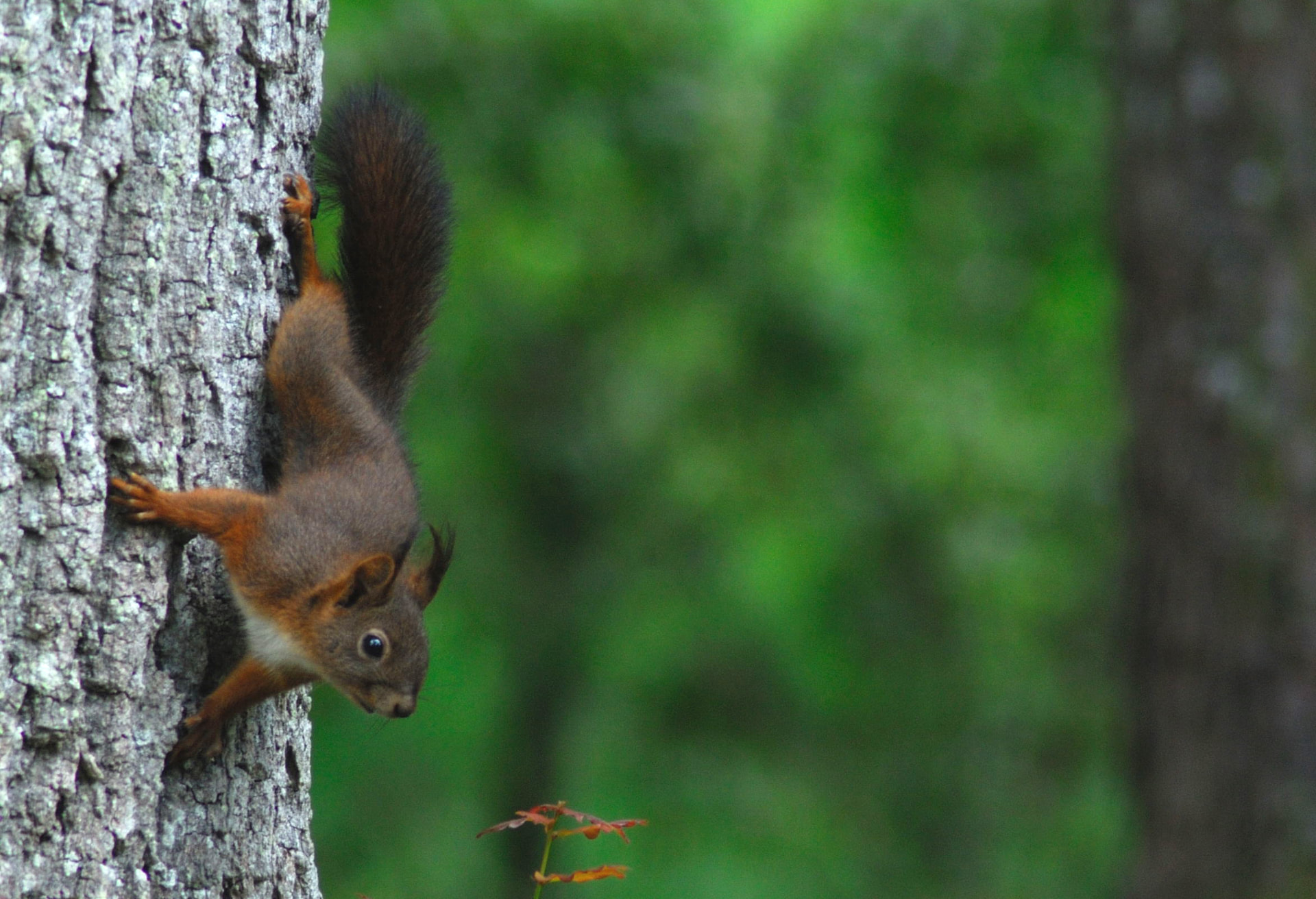
Photo: Jacques Blot
Compassionate rewilding is rewilding which puts animals first. Considering their social bonds, cultures, personal preferences - these animals are not simply ‘ecosystem engineers’, they are co-residents and fellow citizens.
Our ecological restoration strategy includes:
- Restoring degraded habitats and ecological functions
- Establishing a biodiversity corridor that facilitates wildlife movement across the landscape and connects habitats
- Reforesting and creating a food forest for wildlife using species characteristic of the region and those resilient to Portugal's changing climate
- Creating ponds, wetlands, refuges and microhabitats
- Increasing habitat diversity to encourage animals to return to the land
The site will become a living demonstration of compassionate rewilding, combining habitat restoration with ethical approaches to wildlife conservation.
Restoration actions will be designed not only to attract wildlife but also to recover ecological processes and relationships that have been disrupted by habitat degradation and agricultural intensification in Alentejo, as is the case around the world. We aim to restore habitat connectivity with adjacent lands through a biodiversity corridor.
We will monitor our progress through non-invasive methods such as camera trapping, footprint and track surveys, and acoustic monitoring.
Human–Wildlife Coexistence and co-flourishing
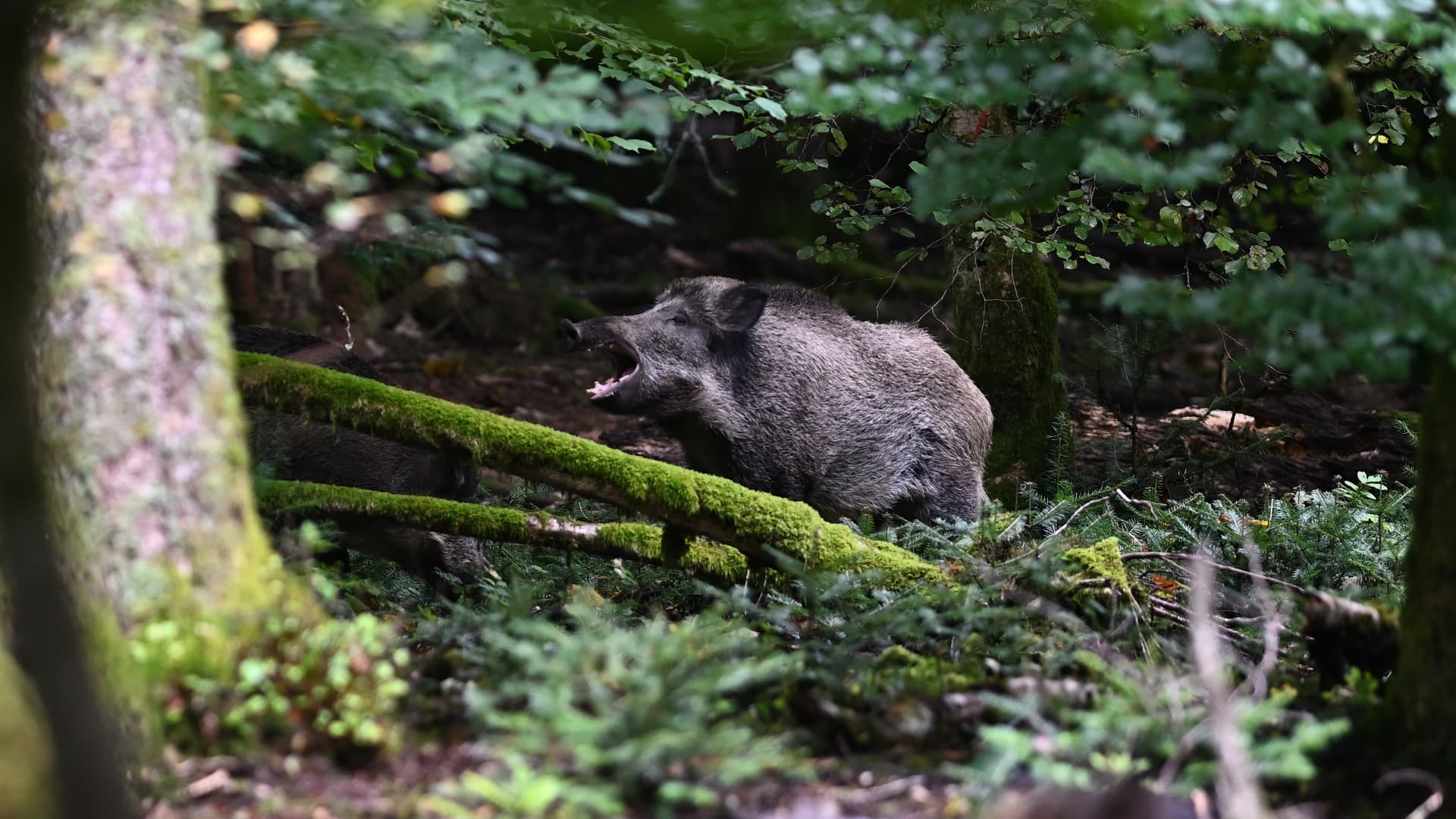
Photo: Jacques Blot
We are working with local residents, farmers, landowners and public authorities to develop practical approaches to coexistence with wildlife.
Areas of work include:
- Reducing human–wildlife conflict
- Protecting farmed animals and wildlife through non-lethal approaches
- Improving habitat connectivity
- Adapting farming practices to support animals and nature
- Preventing accidental wildlife injuries
- Creating spaces for dialogue and community learning
Sanctuary
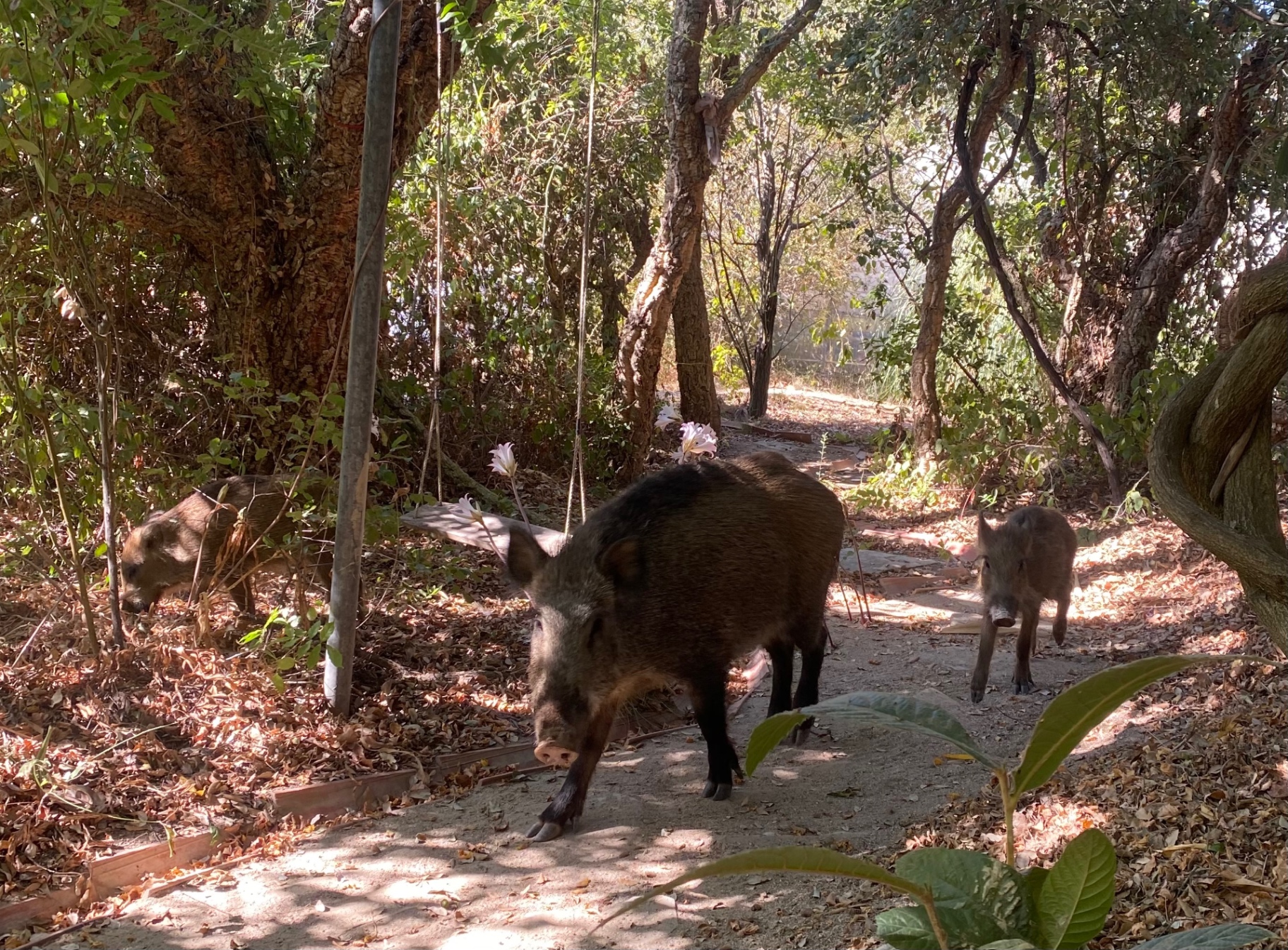
In Portugal, there are few dedicated sanctuaries for wild animals. In our long-term vision, animals who cannot be released into the wild again may find a permanent home with us as part of our wider rewilding project. This facet of our work would allow us to explore new approaches to animal care, dignity and interspecies community. Whether visible on the land or not, these animals will become ambassadors for peaceful coexistence.
Wildlife rescue and rehabilitation
Alongside rewilding, we aim to help wild animals in need. Wild animals are frequently injured on roads or because of human infrastructure. Natural disasters such as wildfires, which are an increasingly regular reality in Portugal where Selvinha is located, also endanger the lives of wild and domestic animals alike.
There is limited capacity to care for such animals, and a lack of coordination between the authorities mandated to care for them.
At Selvinha, we therefore plan to develop our wildlife-care capacity in partnership with existing Portuguese wildlife rescue and rehabilitation organisations.
Our future work will include:
- Emergency assessment and stabilisation
- First aid
- Temporary accommodation
- Transfer to specialist rehabilitation facilities where required
- Rehabilitation and preparation for release
- Post-release monitoring
- Development of improved ethical rehabilitation protocols
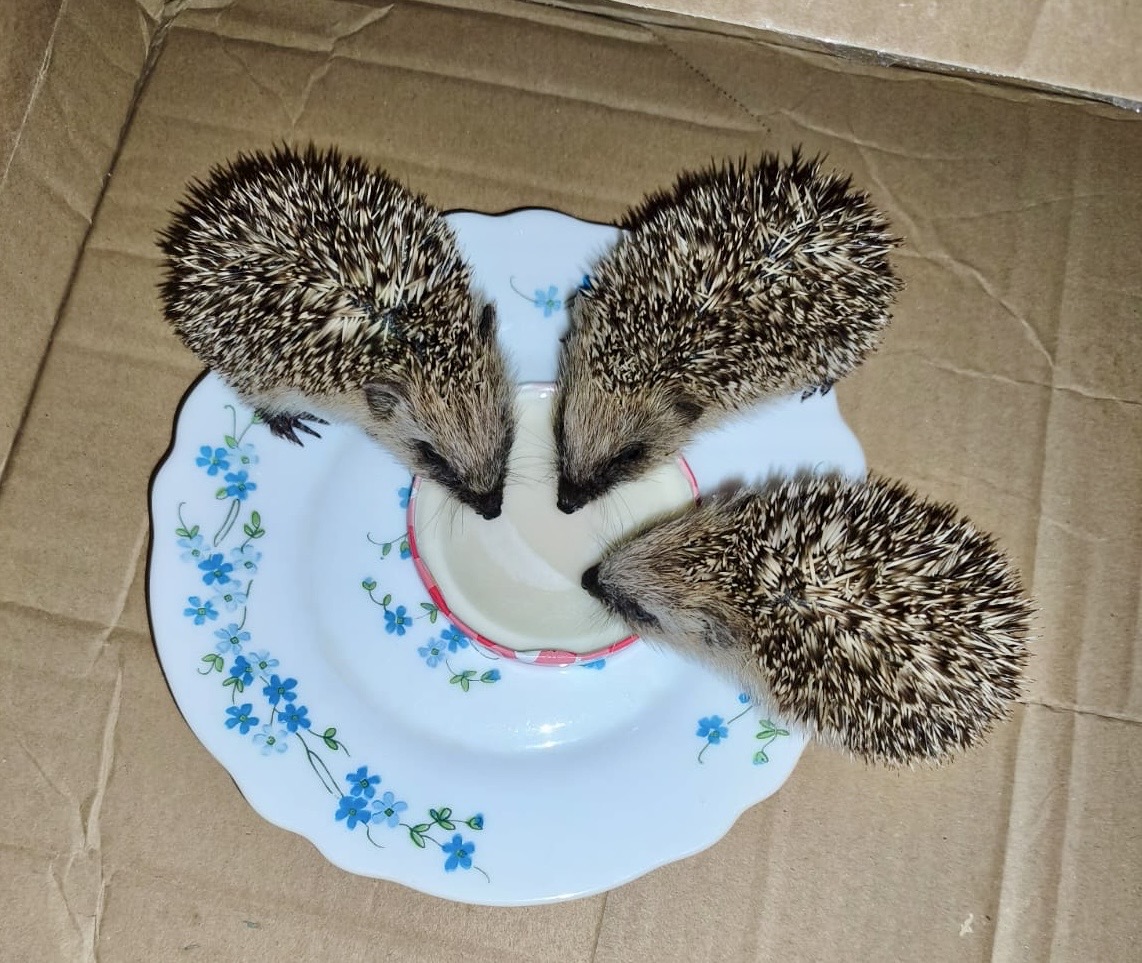
Selvinha will strengthen existing regional wildlife rescue infrastructure by providing the first response and coordination lacking in the existing system.
We will also act as a reference point for the public, offering advice and education on what to do with animals in an emergency situation. Our animal first aid app is in development to help first responders know what to do in an emergency.
Research, education and consultancy grow out of the work we do at Selvinha
Our research, education and consultancy is rooted in the daily practice of caring for land and animals at Selvinha.
Research
Our research is shaped by what we observe and experience at Selvinha, whether that be from lessons in compassionate rewilding, or wild animal wellbeing during rescue and rehabilitation. Why a practice-based approach? Whilst our co-founder, Cebby, was completing her PhD research on animal and biodiversity governance, she noticed that an awful lot of her talented colleagues working on animal issues actually don’t get to spend as much time as they would like with other animals; observing them, conversing with them, co-creating and collaborating with them.
The Selvinha TIDE project was founded to bridge academic research with lived experience.
By bringing together scholars, practitioners and our animal community, we will explore questions pertinent questions about what it actually means to live in inclusive interspecies communities, and how to do it in practice. We believe some of the most important learning happens with muddy boots, open minds and sharing daily life with other beings.
Please get in touch if you are interested in conducting research at Selvinha. The project is still in development, so there is no on-site accommodation. In the future, we will host researchers for stays of at least 3 months. This is because it takes time to settle, to get to know your fellow beings, and to really begin to observe and learn.
Photo: Jacques Blot
More-than-human inclusive governance
- Animal/interspecies communication
- Animal ethics, law, rights, and dignity
- Animal cultures
- More-than-human participation, representation and inclusion
Ecological restoration and biodiversity
- (Compassionate) rewilding
- Animals in disasters (e.g. wildfires)
Wildlife welfare, rehabilitation and co-existence
- Human-wildlife conflict, coexistence and interaction (HWCCI)
- Compassionate and convivial conservation
- (Natural) veterinary medicine and animal wellbeing
Education and nature-connectedness
- Ecopedagogy, wild pedagogy, ecopsychology
- Storytelling/arts-based techniques
- Nature-led learning and interspecies classrooms
Transformative and regenerative societies
- Multispecies design
- Degrowth
Education
Photo: Jacques Blot
Our education programmes will draw directly from the work taking place at Selvinha. As part of our mission to put into practice transformative interspecies democracies, we are developing educational programmes for children, young people and adults around ecological restoration and compassionate coexistence with the more-than-human world.
The Centre also intends to collaborate with initiatives such as the Guardians of the Earth programme, by offering holiday camps and educational residencies combining ecological restoration with creative expression.
Consultancy
Photo: Jacques Blot
The Selvinha TIDE project is not only a local initiative but also as a model that can be replicated elsewhere. Our consultancy translates what we learn on the ground into advisory services, capacity-building, and technical assistance to foster the development of a network of territories committed to ecological restoration based on the principles of compassionate rewilding and more-than-human inclusive governance.
We can facilitate on- and off-site workshops, research collaboration, and specialist trainings.
- An introduction to intuitive interspecies communication
- Facilitating multispecies deliberations
- Nature-led learning techniques
- Wild animal welfare and first aid
- Animal-friendly restoration and rewilding
- Multispecies inclusive legal structures
Are you a landowner, animal protection or conservation organisation, policymaker, sanctuary owner, business or educational institution interested in ecological restoration and more-than-human inclusion? Then please get in touch to discuss your needs and where we might be able to help.
Get in touch